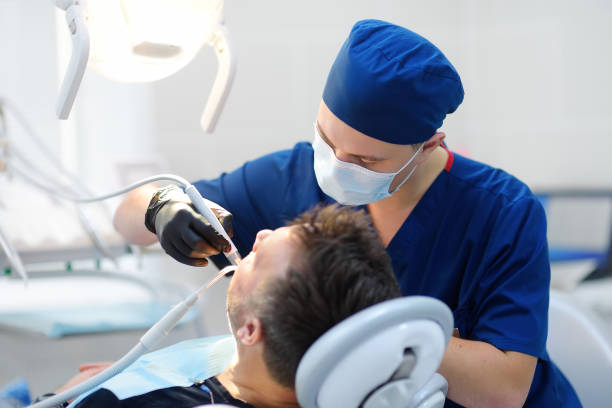
You may not think much about your routine dental exams, but precision diagnostics are changing the game. These tools help you and your dentist in Birmingham, MI, catch issues early, making treatments more successful. Technology like digital imaging and 3D scans give a clear picture of what’s happening inside your mouth. You won’t just sit and wait anymore. Your dentist sees potential problems before they grow. This means less discomfort and more effective care. You’ll spend less time in the chair and more time smiling. Remember, your teeth are not just about looking good. They affect your overall health. When you address dental issues early, you prevent bigger problems down the road. These advancements demystify dental care and set the stage for a healthier life. Routine care is more effective after treatment. Precision diagnostics empower you to take control of your oral health. Don’t overlook your next check-up.
Understanding Precision Diagnostics
Precision diagnostics use advanced technology to detect dental issues at their earliest stages. This approach not only focuses on what is visible but also looks deeper. Tools like digital X-rays, 3D imaging, and laser detection help identify risks that aren’t apparent during a standard visual exam.
Benefits of Early Detection
- Minimizes the risk of complex dental problems later.
- Reduces the need for invasive treatments.
- Encourages proactive care and maintenance.
For example, catching a small cavity early can prevent the need for a root canal. Early detection saves time, reduces costs, and results in less discomfort.
Innovative Tools in Dental Diagnostics
The world of dental technology is constantly evolving. Here are some of the tools transforming dental exams:
- Digital X-rays: Provide clear images with less radiation than traditional X-rays.
- 3D Imaging: Offers a full view of teeth and jaw structure, aiding in precise diagnosis.
- Intraoral Cameras: Help dentists show patients the condition of their teeth in real-time.
Access to these tools allows your dentist to make informed decisions about your care. Digital files also make it easier to share information if you need to see a specialist.
Digital X-Rays vs. Traditional X-Rays
| Feature | Digital X-Rays | Traditional X-Rays |
|---|---|---|
| Radiation Exposure | Lower | Higher |
| Image Quality | Enhanced | Standard |
| Processing Time | Instant | Requires Development |
Your Role in Dental Health
While technology plays a crucial role, your habits matter too. Regular brushing, flossing, and dental visits remain essential. Discuss with your dentist how precision diagnostics can fit into your care plan.
Reliable Sources for Dental Information
Understanding the importance of precision diagnostics might prompt questions. You can find trustworthy information through the Centers for Disease Control and Prevention or the American Dental Association. These resources provide insights into maintaining oral health and staying informed about the latest dental technologies.
Conclusion
Precision diagnostics are revolutionizing dental care. By catching issues early and utilizing cutting-edge tools, you and your dentist can plan effective treatments. This approach not only enhances your oral health but lays the groundwork for your overall well-being. Embrace these changes and prioritize your next dental appointment. Early action leads to better outcomes, so don’t wait. Act today to secure a healthier tomorrow.