Preventive dentistry is a key player in maintaining strong, healthy smiles long into adulthood. It involves taking steps to protect your teeth and gums before problems arise. By focusing on regular check-ups and cleanings, you can avoid serious dental issues. A Concord dentist can guide you through this journey. Brushing and flossing daily, combined with professional care, helps prevent decay, gum disease, and other oral health concerns. It builds a foundation for a lifetime of good oral health. You sidestep painful procedures by catching problems early or avoiding them altogether. Prioritizing preventive care means investing in your smile’s strength and resilience. Take control of your dental health today and experience the confidence and comfort that come from a clean, healthy mouth. Embrace a path that leads to stronger, brighter smiles in your adult years and beyond. This approach not only saves time and money but also enhances your overall quality of life.
Understanding Preventive Dentistry
Preventive dentistry focuses on maintaining optimal oral health. It includes practices and habits that aim to keep your teeth and gums healthy. You practice preventive dentistry every time you brush, floss, or visit the dentist for a cleaning. These actions help reduce the chance of developing cavities, gum disease, and enamel wear.
The Importance of Regular Dental Visits
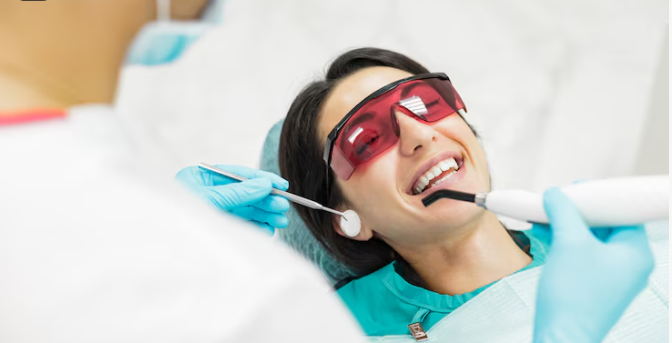
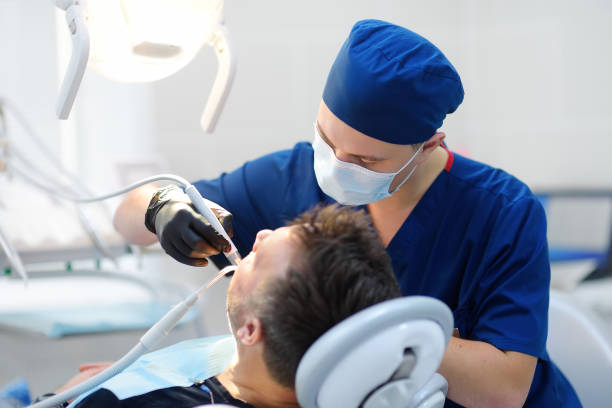
Routine dental visits are crucial for maintaining oral health. During these visits, dentists can detect early signs of oral disease. They perform cleanings that remove tartar and plaque, which you can’t clean with a toothbrush alone. Regular check-ups allow dentists to monitor your oral health closely and make recommendations suited to your needs.
Key Components of Preventive Dentistry
- Daily Brushing and Flossing
- Regular Dental Cleanings
- Balanced Diet for Healthy Teeth
Daily brushing and flossing are your first lines of defense against tooth decay and gum disease. Dentists recommend brushing twice daily with fluoride toothpaste. Flossing once a day helps remove particles and plaque stuck between teeth.
Healthy Eating for Oral Health
A balanced diet supports strong teeth and gums. Calcium-rich foods like milk and cheese strengthen tooth enamel. Crunchy fruits and vegetables can help clean teeth naturally.
Comparing Preventive and Reactive Dental Care
| Preventive Care | Reactive Care |
|---|---|
| Focuses on prevention | Addresses existing problems |
| Includes regular check-ups and cleanings | Involves treatments like fillings and root canals |
| Costs less over time | Can be costly and painful |
Benefits of Preventive Dentistry
- Prevents cavities and gum disease
- Saves time and money on dental procedures
- Keeps your smile bright and healthy
Preventive dentistry offers numerous benefits. Taking proactive steps saves you from more extensive procedures. It helps maintain a bright, healthy smile throughout life. This form of care is an investment in your long-term health and well-being.
Starting Young for Lifelong Benefits
Encouraging good oral hygiene habits early sets the stage for a lifetime of healthy smiles. The American Dental Association provides resources on proper oral care techniques for children. Teaching children to brush and floss regularly helps establish good habits.
A Lifetime of Healthy Smiles
Preventive dentistry ensures your smile remains strong and healthy throughout adulthood. By staying proactive and maintaining good oral hygiene practices, you protect your teeth and gums. Partner with your dentist to develop a preventive care plan that suits your needs. This collaboration ensures your smile stays bright and healthy for years.