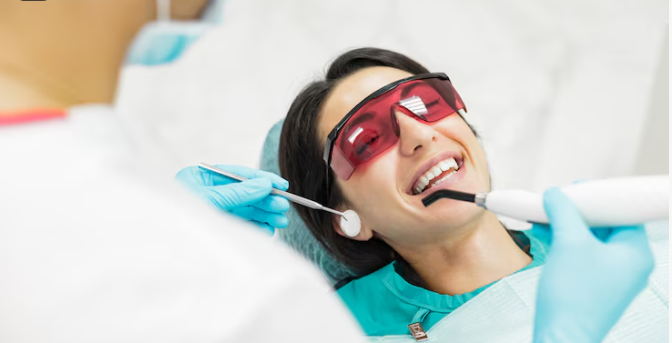
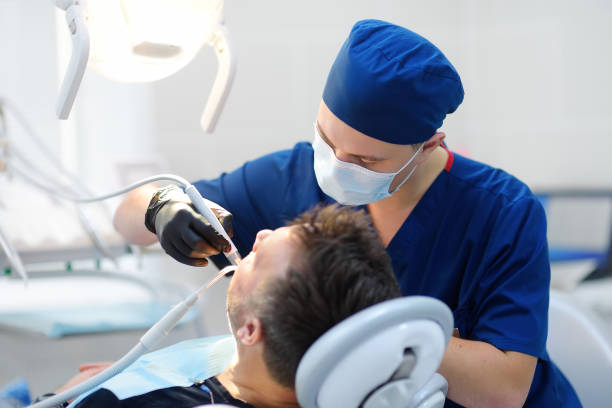
Your oral health has a bigger impact on your mental well-being than you might think. A healthy mouth does not only mean a bright smile. It can shape how you feel mentally and emotionally. Poor dental care often leads to discomfort and pain, creating stress and anxiety. This can foster a cycle of neglect and further problems. Regular visits to a Chalfont dentist can reduce these risks and support both your mouth and mind. Healthy teeth can boost your confidence, affecting how you interact with others. Also, the connection between oral and mental health is not just about appearances. Inflammation from gum disease might play a role in depression and cognitive decline. When you take care of your teeth, you are taking care of your whole self. This blog will guide you through understanding this link and how you can maintain balance in your oral and mental health.
The Link Between Oral Pain and Emotional Stress
Oral pain can be more than just a physical nuisance. It can make you feel low emotionally. When you suffer from toothaches or gum issues, your mood can dip. Pain interrupts sleep and daily activities. This disruption can lead to increased stress levels and even depression.
Gum Disease and Mental Health
Gum disease has links to emotional health. Studies show chronic inflammation in your mouth can influence mood disorders. This inflammation might affect brain chemistry, contributing to anxiety and depression symptoms. According to research from the National Institute of Dental and Craniofacial Research, untreated gum disease can worsen mental health conditions.
How Oral Health Affects Self-Esteem
Your smile is often the first thing people notice. Feeling uncomfortable about your teeth can lower self-esteem. This affects how you talk to others and impacts social interactions. When you feel uncertain about your appearance, it might limit opportunities and create isolation.
Routine Care: A Path to Better Health
Brushing and flossing daily protect your teeth and gums. But they also protect your mental health. Routine care helps prevent problems before they start. When you don’t worry about dental issues, you feel more confident and at ease. Consistency in oral hygiene can prevent the cycle of stress and neglect.
Comparing Oral and Mental Health Statistics
| Issue | Percentage Affected |
| Tooth Decay | Nearly 92% of adults aged 20 to 64 |
| Gingivitis | About 50% of adults |
| Anxiety Disorders | 18% of adults |
| Depression | 7% of adults |
The Role of Professional Care
Regular dental visits are crucial. Professional cleanings remove plaque that brushing can’t. The Centers for Disease Control and Prevention recommends regular checkups to catch issues early. This proactive approach helps maintain both oral and mental health.
Practical Steps to Improve Oral and Mental Well-Being
- Brush twice a day with fluoride toothpaste.
- Floss daily to remove food particles and plaque.
- Eat a balanced diet to support oral and mental health.
- Visit your dentist regularly for professional cleanings.
- Stay hydrated to maintain saliva flow and oral health.
- Practice stress-relieving activities like yoga or meditation.
Conclusion
Your oral health is a key part of your overall well-being. It influences your mental state more than you might realize. By taking simple steps to care for your mouth, you support your mental health too. Regular dental visits and good hygiene habits can prevent problems and help you feel your best. Remember, taking care of your teeth is caring for your mind. Stay committed to both for a healthier, happier you.