When we talk about a more thoughtful wardrobe or beauty routine, we often focus on what happens at the checkout: buying less, choosing durable pieces, or checking an ingredient list. But the story starts much earlier, with the land and the people who grow or make the raw materials. Agriculture may seem far removed from a new dress or moisturizer, yet it has a growing influence on both.
From cotton fields to botanical oils, farming choices shape the feel, performance, and environmental footprint of products we use every day. Understanding that connection can help us make better-informed choices without expecting every purchase to be perfect.
Fashion begins with fibers and farms
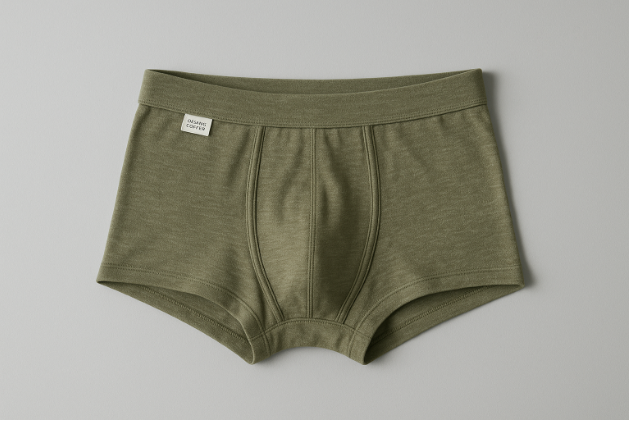
Cotton is one of the clearest links between agriculture and clothing. The way it is grown affects soil, water use, and the livelihoods of farming communities. Organic standards can limit certain synthetic pesticides and fertilizers, while regenerative approaches aim to improve soil health through practices such as cover cropping, reduced tillage, and keeping roots in the ground. These methods vary from farm to farm, so a label alone may not tell the whole story, but asking how a fiber is sourced is a useful start.
Other materials also have agricultural roots. Linen comes from flax, and hemp can be used to make strong textiles. Both can be appealing alternatives in some applications, though their impact depends on where and how they are grown, processed, and transported. A “natural” fiber is not automatically low-impact; processing and dyeing matter, too. Still, knowing the origin of a garment adds context to its price and quality.
This connection can influence how a piece feels in your closet as well. A well-made cotton shirt or linen dress may become a dependable staple if it suits your climate and lifestyle. Rather than buying an item simply because its material sounds virtuous, consider whether you will wear it often, care for it properly, and keep it for more than one season.
Beauty ingredients have a growing story, too
Many familiar skincare and haircare ingredients begin as crops. Plant oils, butters, waxes, and extracts may come from farms around the world. Their quality and availability can be affected by growing conditions, harvest practices, and local supply chains. Responsible sourcing is therefore more than a packaging claim: it can involve protecting ecosystems and ensuring that producers receive fair treatment.
It is also worth reading beauty labels with a little perspective. Botanical ingredients can be useful, but “plant-based” does not automatically mean gentle or suitable for every skin type. Fragrance and essential oils, for example, can irritate some people. If you are trying a product with unfamiliar ingredients, patch testing is a sensible habit, and a dermatologist can help with persistent concerns.
For both clothes and cosmetics, clear information is more helpful than vague promises. Look for brands that explain where materials or ingredients come from and what standards they follow. If the details are difficult to find, that is a reason to stay curious rather than assume the worst—or take a marketing phrase at face value.
Why the conversation matters beyond shopping
More brands are discussing soil health, crop sourcing, and farm partnerships because these issues are increasingly relevant to their products. Fashion and beauty businesses can benefit from sharing useful, specific information with people outside their usual customer base. Agricultural readers, for instance, may bring practical knowledge about crop production, regional conditions, or supply-chain challenges that a style-focused audience rarely encounters.
For companies looking to understand where this kind of industry conversation happens, a directory of agriculture guest posting websites can help identify blogs that publish on farming and agribusiness. Any outreach should be grounded in useful expertise: a piece about the realities of growing textile crops or sourcing cosmetic botanicals will serve readers better than a generic brand pitch.
That kind of article takes research, careful editing, and sometimes a specialist writer. Freelancers can help translate technical subjects into clear, readable stories, whether the task is interviewing a grower, drafting a sourcing guide, or polishing a brand’s educational content. If you are exploring AI tools for drafting, Osdire’s overview of the modern freelancer toolkit offers a useful look at how technology can support the work. AI can help organize notes or shape an early outline, but factual claims about farming practices still need human review and credible evidence.
Small choices, better questions
No one needs to become an agricultural expert before getting dressed or applying sunscreen. A few practical habits can make the connection easier to navigate:
- Check the material or ingredient: Learn what it is and where it is commonly sourced.
- Look for specifics: Prefer clear explanations of standards and sourcing over broad claims like “eco-friendly.”
- Buy for real life: Choose pieces and products you are likely to use consistently, and follow care instructions to extend their life.
- Stay open to nuance: Every material has trade-offs, and better information is more useful than a perfect-sounding label.
Agriculture may not be the first subject that comes to mind when planning an outfit or refreshing a beauty shelf, but it is part of the same story. Paying attention to how fibers and ingredients are grown can bring more meaning to everyday choices—and encourage brands to explain their sourcing with care.